

Understanding the Main Components of an Arcade Cabinet Basics
If you’ve ever been mesmerized by the glow and sounds of an arcade machine, you know there’s something magical about these classic gaming setups! But what exactly makes an arcade cabinet tick? Today, I’m diving into the main components that bring these retro wonders to life. Whether you’re dreaming of building your own or just curious about what’s inside, this guide will electrify your knowledge!
Dive Into Arcade Cabinet Basics
Let’s start with the foundation. An arcade cabinet is more than just a box with a screen. It’s a carefully crafted machine designed to deliver hours of fun and nostalgia. The arcade cabinet basics include the structure, controls, display, and the brain that runs the games. Each part plays a crucial role in creating that authentic arcade experience.
The cabinet itself is usually made of sturdy wood or MDF, designed to house all the components safely and ergonomically. It’s shaped to invite you in, with a slanted control panel and a screen positioned at just the right height. The design isn’t just about looks—it’s about comfort and durability!
The Heartbeat: The Game Board and Electronics
At the core of every arcade cabinet is the game board, often called the PCB (Printed Circuit Board). This is the brain that runs the game software. It processes your inputs, controls the graphics, and manages the sound effects. Without this, the cabinet is just a fancy box!
Modern arcade machines might use a PC or a Raspberry Pi loaded with emulators, but classic cabinets rely on original PCBs. These boards are packed with chips and circuits that make the game come alive. They connect to the monitor, speakers, and controls, creating a seamless gaming experience.
Pro tip: If you’re restoring or building a cabinet, make sure your game board is compatible with your display and controls. This ensures smooth gameplay and prevents frustrating glitches.

Controls That Make You Feel the Game
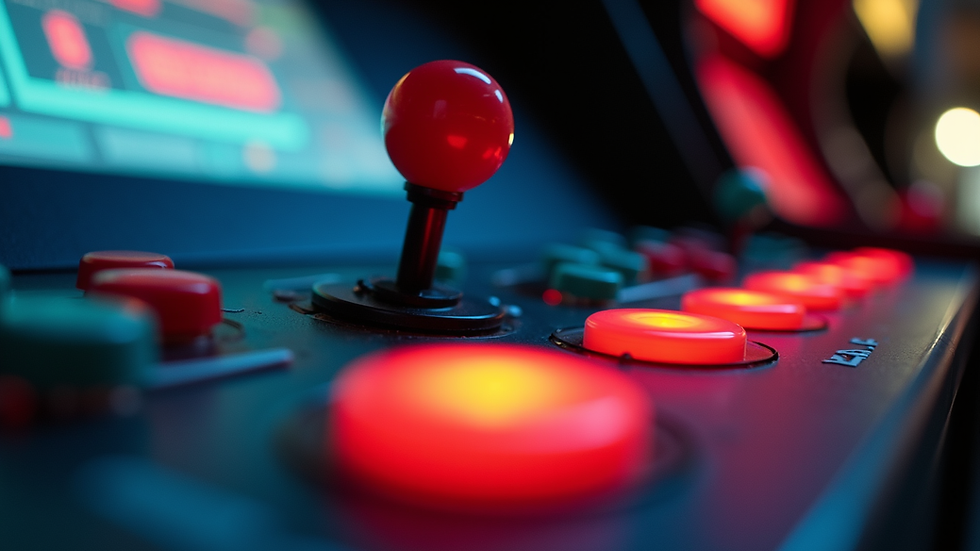
Nothing beats the tactile thrill of arcade controls! The joystick and buttons are your direct link to the game world. These controls are designed for precision and durability because arcade games demand quick reflexes and repeated use.
Joystick: Usually an 8-way or 4-way stick, it lets you move your character or vehicle in the game. The joystick’s responsiveness is key to gameplay.
Buttons: These vary in number depending on the game. Fighting games might have six or more buttons, while classic titles often use just two or three.
Additional controls: Some cabinets include trackballs, spinners, or pedals for unique gameplay styles.
High-quality controls use microswitches for fast, reliable input. Cheap buttons can feel mushy and ruin the experience, so investing in good parts is a must!
The Visual Experience: Monitor and Display
The screen is where the magic happens! Classic arcade cabinets often use CRT monitors, which give that authentic glow and smooth motion. However, many modern setups use LCD or LED screens for better reliability and easier maintenance.
The monitor is mounted inside the cabinet at an angle that’s easy on your eyes and neck. It’s connected to the game board and displays everything from pixelated characters to vibrant backgrounds.
Did you know? Some arcade enthusiasts prefer CRTs because they handle classic game graphics better, preserving the original look and feel. But LCDs are lighter, cheaper, and easier to replace.

Sound System: Bringing the Game to Life
Sound is often overlooked, but it’s a huge part of the arcade experience! The speakers pump out everything from catchy tunes to explosive sound effects. Good audio makes the game immersive and exciting.
Most cabinets have built-in speakers positioned near the player’s ears. The sound system connects to the game board or PC and can include amplifiers for louder, clearer audio. Some setups even have subwoofers for deep bass!
If you’re building or upgrading a cabinet, consider investing in quality speakers. Crisp sound effects and music will keep you hooked and make your arcade nights unforgettable.
Power and Wiring: The Unsung Heroes
Behind the scenes, power and wiring keep everything running smoothly. Inside the cabinet, you’ll find power supplies that convert household electricity to the voltages needed by the game board, monitor, and controls.
Wiring connects all components, and neat cable management is essential to avoid shorts and make maintenance easier. Using labeled connectors and durable cables helps prevent headaches down the road.
Safety tip: Always unplug your cabinet before working on wiring or electronics. Double-check connections to avoid damage or injury.
Why Knowing Your Arcade Cabinet Components Matters
Understanding the arcade cabinet components is not just for tech geeks. It empowers you to:
Maintain your machine: Spot issues early and fix them before they become costly.
Customize your setup: Swap out controls, upgrade screens, or add new games.
Build your own: Follow a clear roadmap to create a personalized arcade experience.
Appreciate the craft: Recognize the engineering and design that make arcade gaming so special.
Every part works together to create the magic you love. Knowing what’s inside makes playing even more rewarding!
Ready to Level Up Your Arcade Game?
Now that you know the main components, you’re one step closer to owning or building the perfect arcade cabinet! Whether you want to relive the golden age of gaming or introduce a new generation to classic fun, these machines are a blast.
Remember, quality matters. Choose sturdy cabinets, reliable electronics, and responsive controls. And if you’re looking for premium, American-made arcade and virtual pinball machines, check out N2Fun.com for top-notch options and support across the USA and Canada.
Get ready to press start and dive into endless fun! Your ultimate arcade adventure awaits!

Comments